Buy Lasix Online (Furosemide 40 mg): Complete Guide to Uses, Safety and Expert Insights

Buy Lasix online and get fast-acting diuretic relief with furosemide 40 mg tablets. This comprehensive guide explains composition, indications, pharmacokinetics, safety considerations, and real-world doctor feedback so you can make an informed decision before you buy Lasix online.

Lasix (furosemide) is a loop diuretic used to reduce fluid overload and control blood pressure in multiple conditions. When you buy Lasix online, ensure you understand how it works, its formulation, and who should avoid it. The information below consolidates key clinical facts, dosing-related pharmacokinetics, and practical considerations to help patients and caregivers discuss therapy with a healthcare professional.

Furosemide 40 mg tablets in blister pack for oral use

Furosemide begins working quickly and can provide rapid decongestion in heart, renal, hepatic and other edema-related states. Because it may cause electrolyte shifts—especially potassium loss—appropriate monitoring is important during ongoing therapy. Below you will find a clear, structured summary of composition, indications, pharmacokinetics, contraindications and precautions, as well as 10 concise reviews from practicing physicians. This resource is designed for readers who may wish to buy Lasix online while maintaining safe, evidence‑based expectations about benefits, risks and follow‑up.

Composition and form of release

  • Active substance: furosemide.
  • Medicinal form: tablets.
  • Strength: furosemide 40 mg per tablet.
  • Excipients (per tablet): lactose 53 mg; starch 56.88 mg; pregelatinized starch 7 mg; talc 2.4 mg; colloidal silicon dioxide 0.4 mg; magnesium stearate 0.32 mg.
  • Trade name: Lasix.

Indications

  • Edema syndrome in chronic heart failure.
  • Edema syndrome in chronic renal failure.
  • Acute renal failure, including during pregnancy and burns (to support fluid excretion).
  • Edema syndrome in nephrotic syndrome (treat the underlying disease first).
  • Edema syndrome in liver diseases.
  • Arterial hypertension.

Pharmacokinetics

When taken orally, furosemide has approximately 64% bioavailability. Peak plasma concentration (Cmax) rises with higher doses, whereas the time to peak varies widely by patient and is not dose‑dependent. The elimination half‑life (T1/2) is about 2 hours. In plasma, 91–99% binds to protein, leaving 2.4–4.1% in a free state. The drug is mainly biotransformed to a glucuronide metabolite and is excreted via the urine, with greater excretion after intravenous administration than after oral dosing.

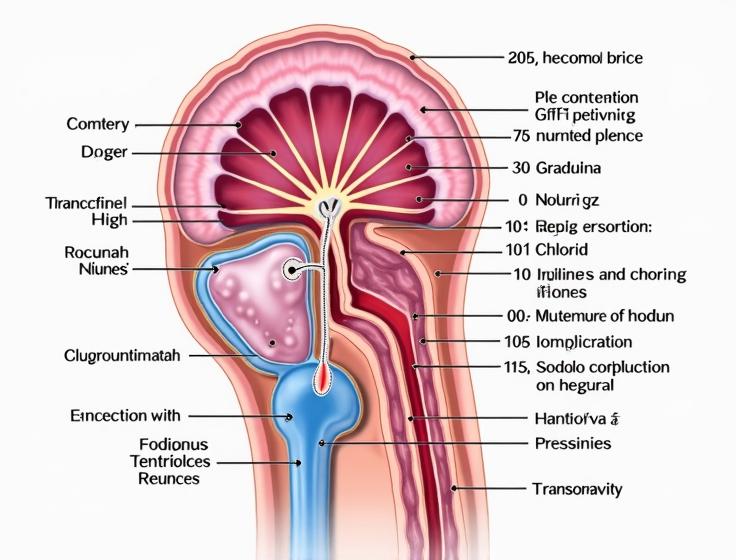
Clinical diagram of furosemide diuretic action in the nephron with highlighted loop segment

How to buy Lasix online

To order Lasix online, review the product information and follow the link to a recommended Canadian online pharmacy to compare pricing and purchase terms. This convenient, cost‑effective option is suitable for those who prefer home delivery by mail to any location. Repeat orders may qualify for discounts of up to 15%. Anonymity and a satisfaction guarantee are advertised. If you plan to buy Lasix over the counter, verify local regulations and consult a healthcare professional first.

Attention

There are contraindications. Before use, read the official instructions and seek advice from a qualified specialist.

Contraindications

  • Hypersensitivity to furosemide or any component of the drug; patients allergic to sulfonamides may develop an allergy to furosemide.
  • Severe hypokalemia.
  • Severe hyponatremia.
  • Renal failure with anuria unresponsive to furosemide.
  • Hepatic precoma or coma.
  • Hypovolemia (with or without hypotension) or dehydration.
  • Severe urinary outflow disorders of any etiology.
  • Pregnancy.
  • Breastfeeding.

Use with caution

  • Gout.
  • Arterial hypotension.
  • Conditions where an excessive blood‑pressure decrease is particularly dangerous (stenotic lesions of the coronary and/or cerebral arteries).
  • Acute myocardial infarction.
  • Latent or manifest diabetes mellitus.
  • Hepatorenal syndrome.
  • Hypoproteinemia.
  • Partial urinary tract obstruction (e.g., ureteral narrowing).
  • Situations with increased risk of water‑electrolyte or acid‑base disorders, or with significant additional fluid losses (vomiting, diarrhea): regular monitoring of renal function and clinical assessment are required.
  • Concurrent use of risperidone in elderly patients with dementia.

10 reviews about Lasix from doctors

  1. Regularly used to rapidly lower preload in heart failure and reduce edema, improving symptoms and addressing core pathophysiology; monitor for hypokalemia during prolonged use.
  2. Fast‑acting saluretic/diuretic (especially IV); helpful in hypertensive crisis related to dietary sodium/water excess; effective in resolving pulmonary edema; account for salt losses.
  3. Time‑tested diuretic included in most anti‑edema regimens for acute and chronic conditions; generally well tolerated and inexpensive; downside: promotes potassium loss.
  4. Effective loop diuretic for severe CHF with edematous syndrome, hydrothorax and anasarca; often used in combination with other drug classes.
  5. Applied in intensive therapy of alcohol withdrawal with seizures and metal‑alcohol psychoses accompanied by cerebral edema, in combination with osmotic diuretics; also effective in hypertensive crises and pulmonary edema.
  6. Clear mechanism, inexpensive and widely available; in nephrology practice, used IV/IM to correct edema in chronic renal failure and nephrotic syndrome.
  7. Indicated for edema of various origins; in decompensated CHF, administered under electrolyte control; dosing should be individualized because potassium loss may provoke arrhythmias.
  8. Useful in acute situations requiring very rapid effect; part of infusion protocols to force diuresis; side effects are uncommon, but potassium loss must always be considered.
  9. Prescribed for renal and heart failure; beneficial for cerebral edema; first‑aid option for hypertensive crisis and pulmonary edema; during long‑term treatment, monitor sodium, potassium and creatinine.
  10. Classic, indispensable agent for edematous syndromes; fast but short‑lived action, which may necessitate repeated dosing during the day.